
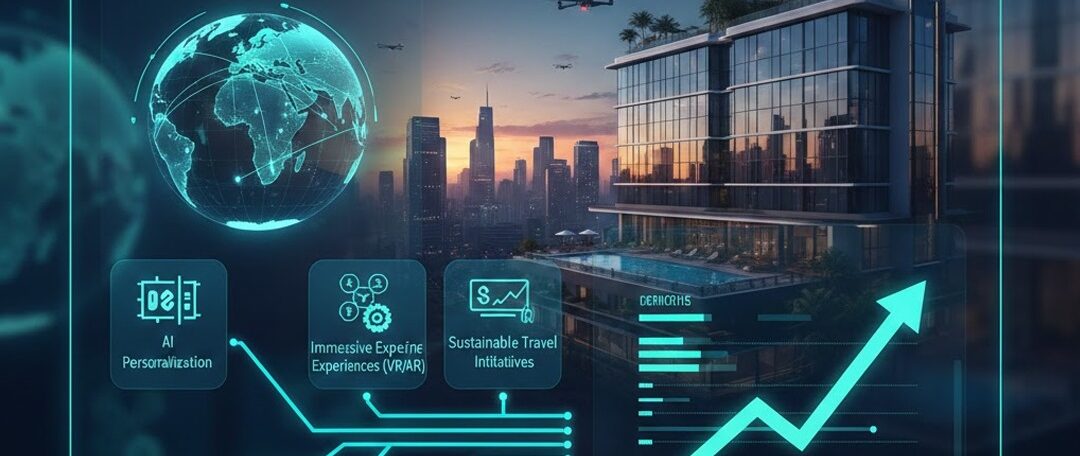
The hotel industry is changing quickly in response to demands from travellers and advances in technology. In the year 2026, hotels adopting smarter marketing approaches will have a distinct advantage in terms of revenue and consumer loyalty.
At BGFT Hospitality, we monitor hospitality trends that take place all over the world and assist hotels in implementing hospitality marketing strategies in a bid to monitor and measure their effectiveness. Below are the main hospitality marketing trends in 2026.
1. AI-Powered Personalisation Drives Revenue Growth
Personalisation has become a core expectation for today’s travellers. Artificial Intelligence enables hotels to deliver relevant content and offers throughout the guest journey.
How hotels are using AI in 2026:
- Personalised website experiences and room recommendations
- Automated email and SMS campaigns based on guest behaviour
- Dynamic pricing aligned with demand and booking patterns
2. Direct Booking Optimisation Reduces Distribution Costs
Rising OTA commissions are pushing hotels to prioritise direct booking strategies. A strong direct channel allows hotels to retain revenue and build direct guest relationships.
Effective direct booking strategies:
- Mobile-first, high-performance booking engines
- Exclusive benefits for direct bookers
- Retargeting campaigns for abandoned bookings
3. Experience-Based Marketing Increases Guest Spend
Travellers in 2026 are seeking meaningful experiences rather than standard hotel stays. Experience-led marketing is a powerful way to differentiate hotel brands.
High-performing experience trends:
- Curated local and cultural experiences
- Wellness, eco, and lifestyle-focused stays
- Event-driven travel packages
4. Sustainable Hospitality Marketing Influences Booking Decisions
Sustainability plays a growing role in travel choices. Guests are increasingly booking hotels that demonstrate environmental and social responsibility.
What travellers expect from hotels:
- Transparent sustainability practices
- Eco-friendly operations and certifications
- Community-focused tourism initiatives

5. Short-Form Video Strengthens Hotel Brand Visibility
Video content continues to dominate hospitality marketing, particularly on social and mobile platforms.
High-impact video content includes:
- Room and property walkthroughs
- Guest experience and testimonial videos
- Local destination highlights
6. Voice Search and Conversational Marketing Expand Reach
With the growth of voice-enabled search and instant messaging, hotels must optimise for conversational interactions.
Key optimisation areas:
- Voice-search-friendly, long-tail keywords
- Google Business Profile optimisation
- Chatbots and messaging platforms for real-time engagement
7. Data-Driven Marketing Improves Marketing ROI
Data and analytics are essential for effective hospitality marketing in 2026. Hotels that integrate data across systems gain clearer insights into guest behaviour.
How data is used effectively:
- Forecasting demand and booking trends
- Optimising campaign performance
- Identifying high-value guest segments
Conclusion:
The hospitality brands that are going to achieve success in 2026 are those brands that are able to intertwine four elements: technology, personalisation, experience marketing, and sustainability together as a single entity. The hospitality brands that adopt these hospitality marketing trends would get the benefits of earning more, building guest loyalty, and staying ahead of the competition within the fast-changing industry environment.
As a company with BGFT Hospitality, we assist the hospitality industry in turning marketing plans into action, resulting in revenue growth. What happens today will ensure success tomorrow.
Email: bgfthospitality@gmail.com
Visit: https://bgfthospitality.com/
Also read: https://bgfthospitality.com/simplify-hotel-reservation-confirmation/